
Products
Each product focuses on a different moment when you meet your customer. Pick yours.
ethnoshelf

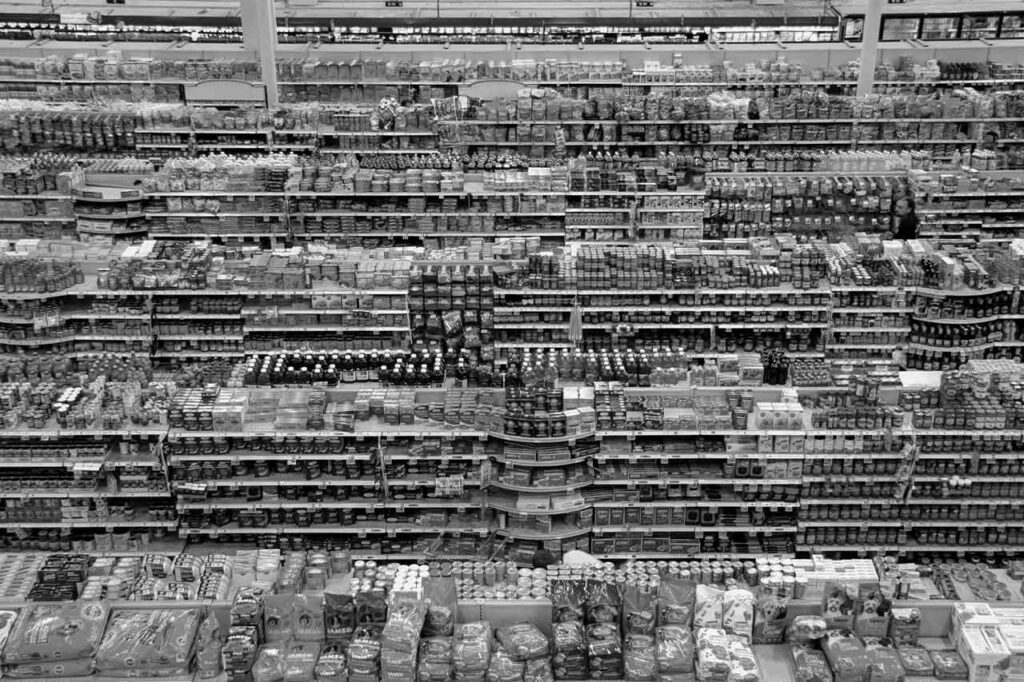
You work at an FMCG company. The most important touchpoint between you and your customers is the offline channel: aisles and shelves. Despite the pandemic, most consumers still choose the products they will buy in front of the shelf. You want to know how your product performs on the shelf under changing conditions. That is why it is critical to decode the point of sale, which acts as a bridge between your brand and your customer, to understand the relationship there and to draw insights specific to your product group from it. We go into the field for you and observe the relationship between the shelf and the shopper with the ethnographic method. Once we have compiled our findings, we prepare a report on SKU management (assortment), PoP applications and channel management, built on the shopper insights that emerge for your brand. We discuss the report in a workshop attended by your sales and marketing teams and design your action steps.
Let’s talk about ethnoshelf
ethnoretail

You work in retail. You know how much the experience you offer your customers matters, because customer experience is one of the most critical points of difference in competition. You are looking for ways to enrich the experience you offer. To do that, you need insights gained by focusing on your customers and their in-store behaviour. Our teams of sociologists and anthropologists look at your shopper’s store experience as a whole and observe every moment of the customer experience, from the store entrance to the moment of payment. We compile our findings and discover the insights that will enrich the experience. Thanks to our holistic approach, we analyse each factor that affects the customer experience and recommend the action steps needed for the best possible experience. We draw up the action plan in a workshop attended by your marketing and sales teams.
Let’s talk about ethnoretail
ethnosale

You work in sales. You visit the customer on site or catch them outside. You have to persuade the customer and close the sale in limited time. In that limited time you must capture the customer’s interest and answer the questions forming in their mind. You have to deal with the effects of the setting and the customer’s negative perceptions, and present your unique selling proposition at the right moment. To do that, you need to get a “yes” before the customer has the chance to consider the alternatives. This is exactly where our sociologists and anthropologists step in. They accompany your sales representative during the live sale and systematically observe and note the factors that the representative, focused on the product and the sales script, fails to notice or neglects. The findings are examined systematically to decode the factors that help and hinder the sale. From the compiled findings we discover insights that will optimise the script and speed up the sale. These insights are discussed in a workshop with sales directors and managers, and action steps are designed.
Let’s talk about ethnosale
ethnoservice

The sale has been made, and a customer visit has been planned to put the product or service into use. To guarantee product performance and a positive customer experience, it is critical that the process runs smoothly and matches the brand’s value proposition. Many factors shape the experience, from the visiting team’s clothing to the way they speak and their operational competence. Our anthropologists and sociologists join the visit and systematically observe and note the factors that the team, focused on the operational process, fails to notice or neglects. The findings are analysed systematically to decode the factors that make up the experience. From the compiled findings we discover insights that will optimise the after-sales service flow and improve the experience. These insights are discussed in a workshop with regional managers and after-sales service directors, and action steps are designed.
Let’s talk about ethnoservice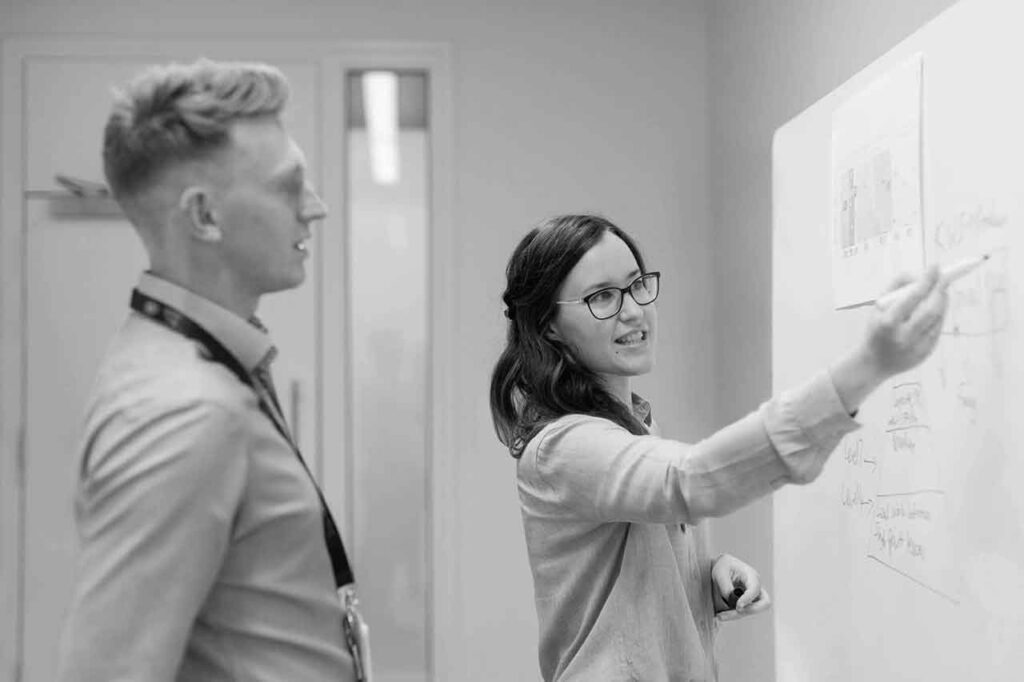
ethnosupport

The sale has been made and the customer has started using the product or service. But there is an interruption in the service or a problem with product performance, so a visit by the after-sales team has been planned. The visiting team has to represent the brand, remove the problem and restore customer satisfaction and brand image. Beyond solving the problem during the visit, many factors affect customer satisfaction and brand loyalty, from the team’s clothing to the way they speak and their operational competence. Our anthropologists and sociologists join the visit and systematically observe and note the factors that the team, focused on the operational process, fails to notice or neglects. The findings are analysed systematically to decode the factors that make up the experience. From the compiled findings we discover insights that will optimise the after-sales service flow and raise customer satisfaction. These insights are discussed in a workshop with regional managers and after-sales service directors and turned into action steps that prevent customer loss and increase loyalty.
Let’s talk about ethnosupport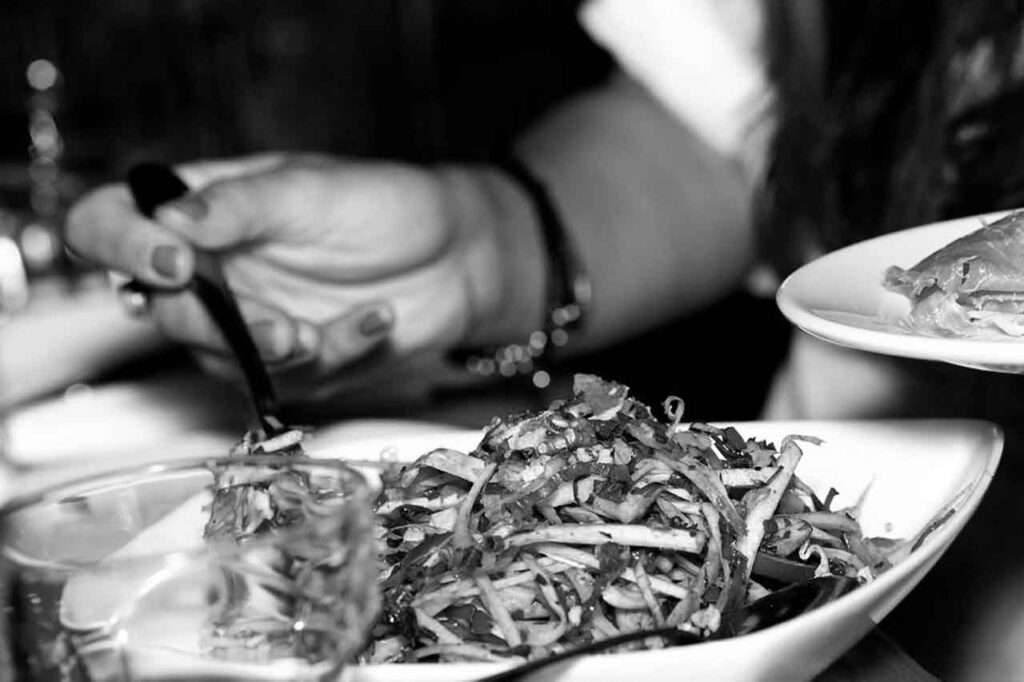
ethnogusto

You work in the food and drink industry. You know that the experience you give your customers matters as much as the taste of what is on your menu. Anthropologists who specialise in the anthropology of food observe the experience your customers have in your venue and take notes. The conclusions drawn from their findings are used to map the customer experience and allow action steps to be designed that will improve it. We discuss these action steps in a workshop attended by your sales and marketing teams and draw up the action plan that will improve the customer experience.
Let’s talk about ethnogusto
ethnoluxury

You work in luxury goods. You know how special your product is, and offering a customer experience at least as special as the product is among your top priorities. Our field team of sociologists and anthropologists puts the relationship you build with your customer in physical sales channels under the lens and looks at the customer’s in-store experience as a whole. The findings are analysed systematically, the customer experience is mapped, and the action steps that will refine it are identified. We discuss these steps in a workshop attended by your marketing and sales teams and draw the roadmap to a flawless customer experience.
Let’s talk about ethnoluxury